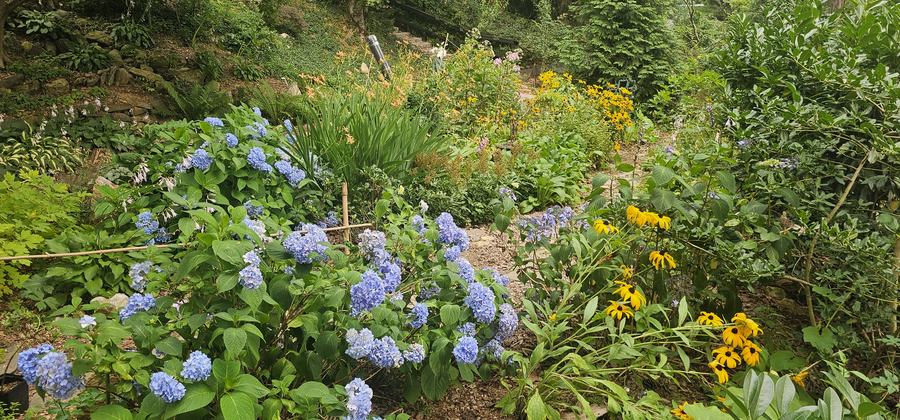

A hillside bed in July: blue hydrangea in front, black-eyed Susan behind, under oaks.

Every plant in your garden, named. Every bed, understood.

Walk your garden with your phone. GardenLab names what you photograph, knows what each bed can support, and keeps the record, so you can plan with confidence and hand clear instructions to whoever does the digging.

Open GardenLab on this phoneOpen the demo garden See how it works
Point your phone's camera here to open it where it belongs.
Free. Nothing to install. The demo is a real garden in Irvington, New York.
Mallard Rise, Irvington NY. July.

Names, not guesses

Point at a plant and get a match against the flora of the northeastern United States. You confirm it. Only then is it written down.

Reasons, not scores

Each bed knows its light, moisture and soil. Each plant is checked against them, and the reason is stated in words you can argue with.

Yours, not ours

The record lives on your device. Nothing is sold, shared, or shown to advertisers. Keep it online only if you want to.

Walk it once. Know it for good.

Most gardens are held in one person's memory, and that person is rarely the one holding the trowel on Thursday. GardenLab moves the garden out of your head and into a record anyone can read.
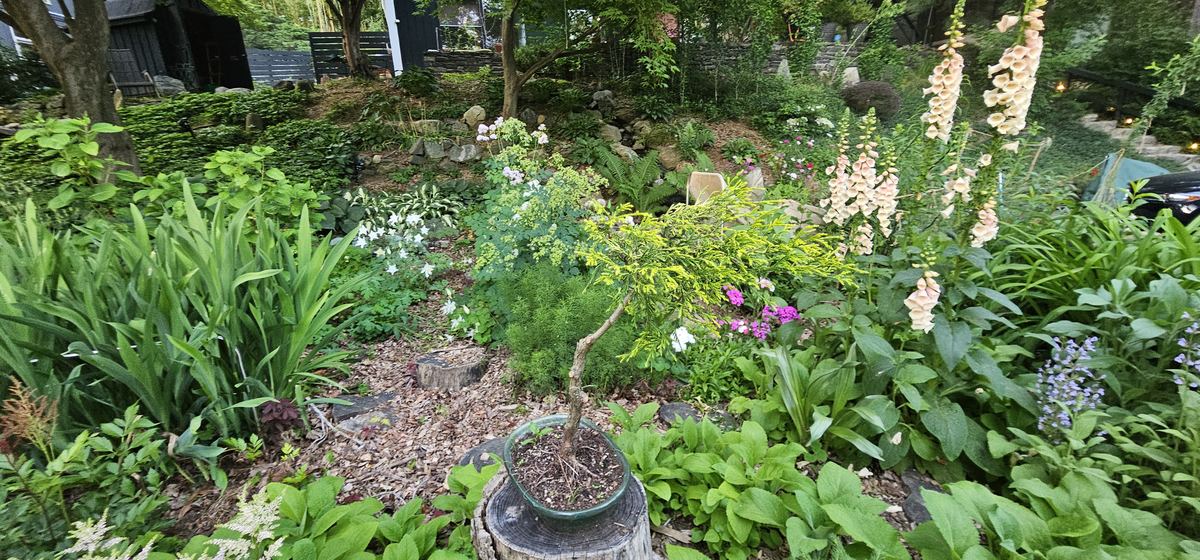
A shaded bed in early June: foxglove spikes, iris, and a pruned pine in a pot.
The shade bed, 4 June
Photograph

Take pictures as you walk, or use the ones already on your phone.

Group them by bed. Each bed gets its own light, moisture and soil notes, once, and remembers them.
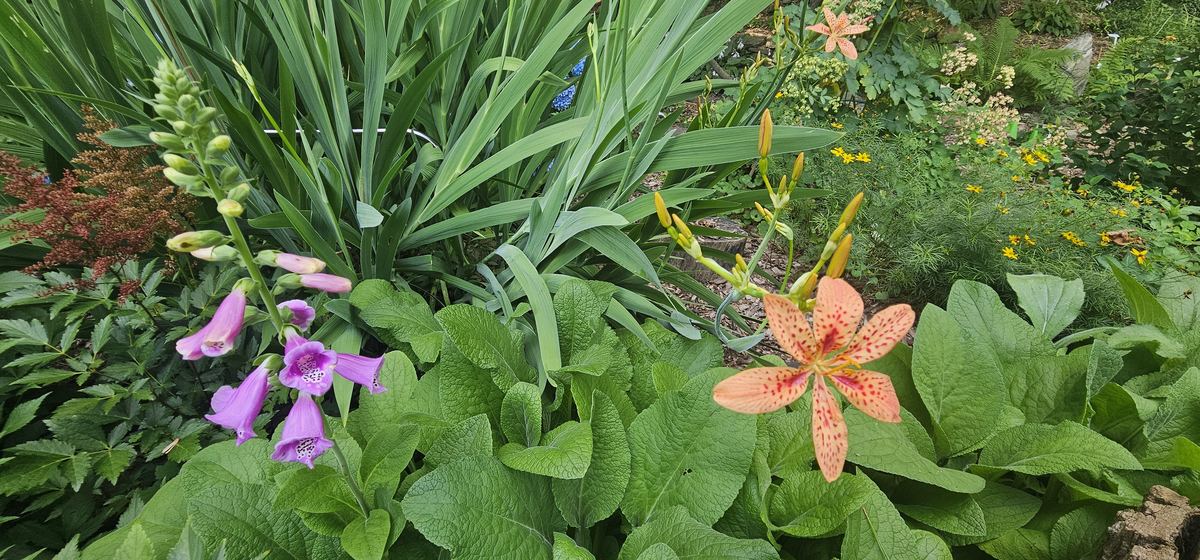
Close: a foxglove in bloom beside an orange blackberry lily with leopard-spotted petals.
Blackberry lily, 11 July
Name

GardenLab suggests what it is. You say whether it's right.

Identification is tuned to the northeastern United States, so the answer is one name, not a list of everything with an oval leaf. An unsure match is shown as unsure.
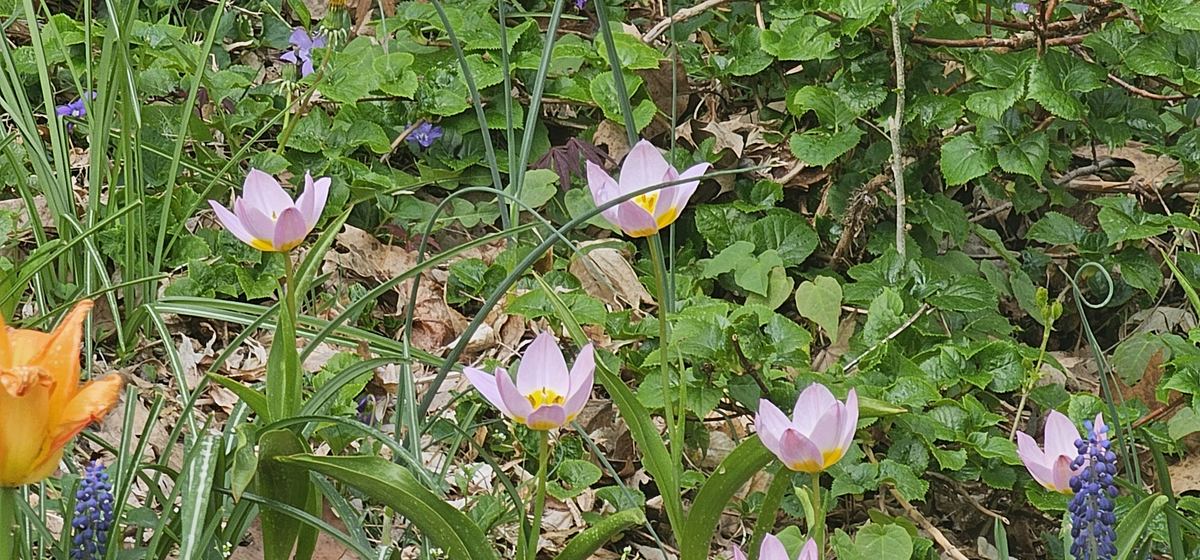
Species tulips and grape hyacinth pushing through last year's leaves in April.
The same slope, 16 April
Understand, then plan

See which plants suit the bed they stand in, and change the plan.

Add a plant, remove one, move it between beds. Start a project across several beds, put dates on the work, and hand the list to the person doing it. Look anything up in a library of native plants where every fact names its source.

Yours, in the plainest sense

GardenLab is local-first. The garden you build lives in your browser, on your device. If you want it on a second phone, or safe from a lost one, keep it online with an email address or a Google account, and nothing else.

Never asked for: your address, your contacts, anything for advertising. Your location only if you choose to share it, and then only the town is kept.

Never done by GardenLab: selling your data, sharing it, or training anything on it.

Sent out only when you ask: a photo, to identify a plant; a question, to answer it. The full list is short and names who receives what.

Where this is going

A garden recorded over seasons, plant by plant and date by date, is an observation science does not have and cannot easily get another way. GardenLab is built so that, once there is enough of that record and only if you choose, yours could one day be contributed. Today nothing is, and the app has no way to do it. More on that, and on who makes this.

Start with the demo. Then start yours.

Open it, poke around a real garden, and when you're ready, press "Start yours". It takes one tap.

Open GardenLab on this phoneOpen the demo garden